
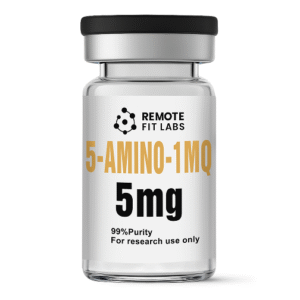
Peptide Intelligence

Peptides are molecules of two or more amino acids linked by peptide bonds—covalent links formed when the carboxyl group of one amino acid reacts with the amine group of another in a condensation reaction, releasing water. The resultant CO–NH bond is also called an amide bond. The term “peptide” comes from the Greek πέσσειν, meaning “to digest.” Peptides are fundamental in biochemistry, widely present in living organisms, and continually synthesized in labs to explore new therapeutic possibilities….
 Peptides Manufactured in the USA
Quality, Standards, and Innovation
 How Peptides Are Made
An Overview of Modern Synthesis Methods
 Solubility of Peptides
Best Practices for Dissolving and Preparing Peptides for Research
 How Peptides Are Purified
Techniques and Importance in Research Applications
 Achieving and Verifying Peptide Purity
A Comprehensive Overview
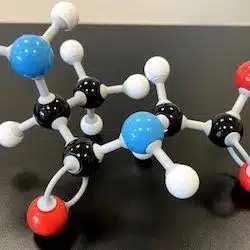 Understanding Peptide Bonds
The Chemistry That Connects Amino Acids
 How to Properly Store Peptides
Guidelines for Stability and Longevity
 What Are Research Peptides?
Their Role in Scientific Discovery and Future Medicines
 Comparing Peptides and Proteins
Structure, Size, and Biological Function